Best Adhesives for Artificial Grass Installation:
Types, Pros, and Cons
Choosing the right adhesive for artificial grass installation is essential for ensuring long-term performance, safety, and appearance. Whether artificial turf is installed in residential gardens, commercial landscapes, playgrounds, or sports fields, the correct glue helps prevent lifting, seam separation, and premature damage.
Below are the most commonly used types of artificial grass adhesives, along with their advantages and disadvantages.
1. Polyurethane Adhesive for Artificial Grass
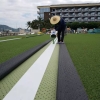
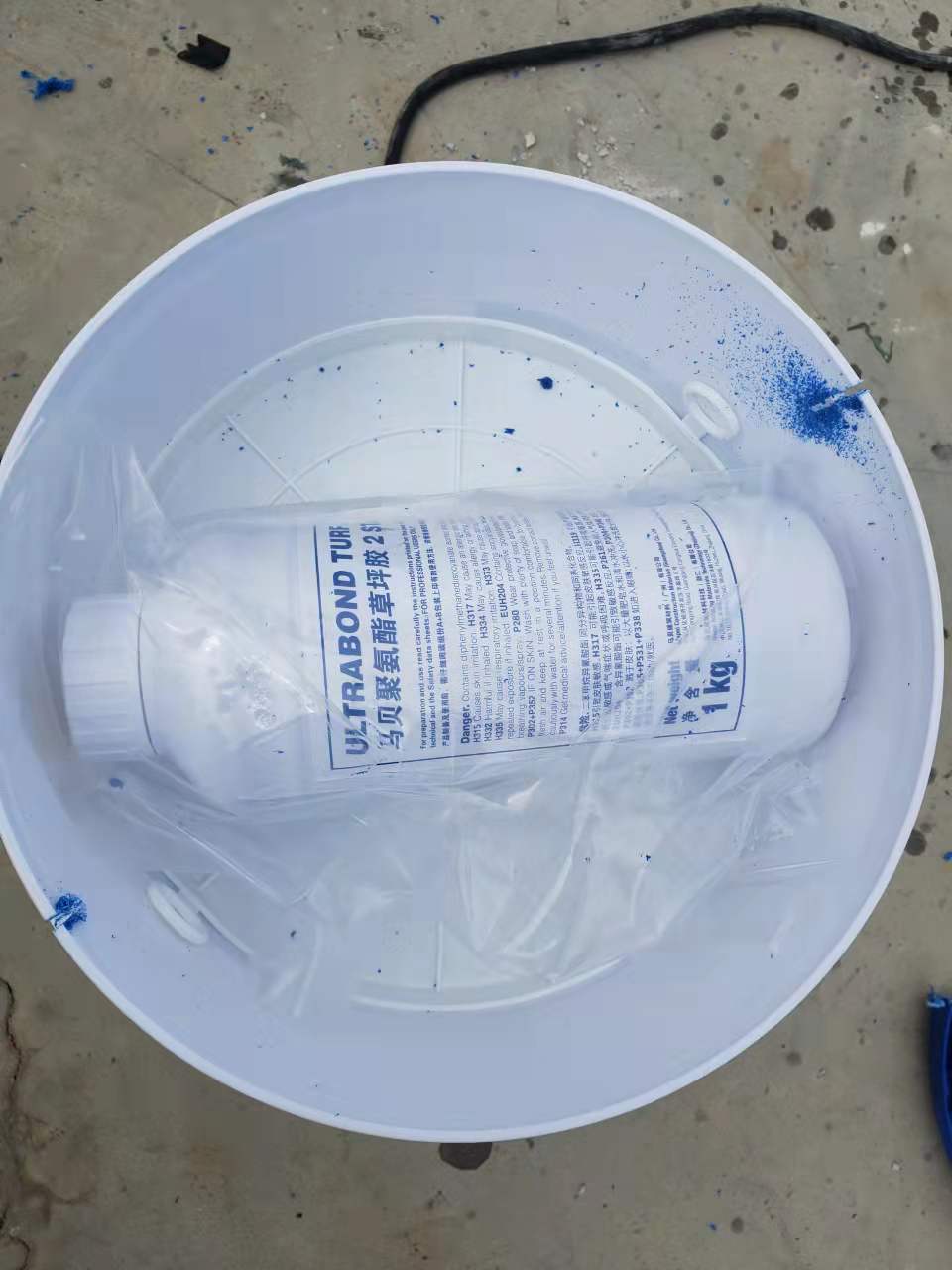
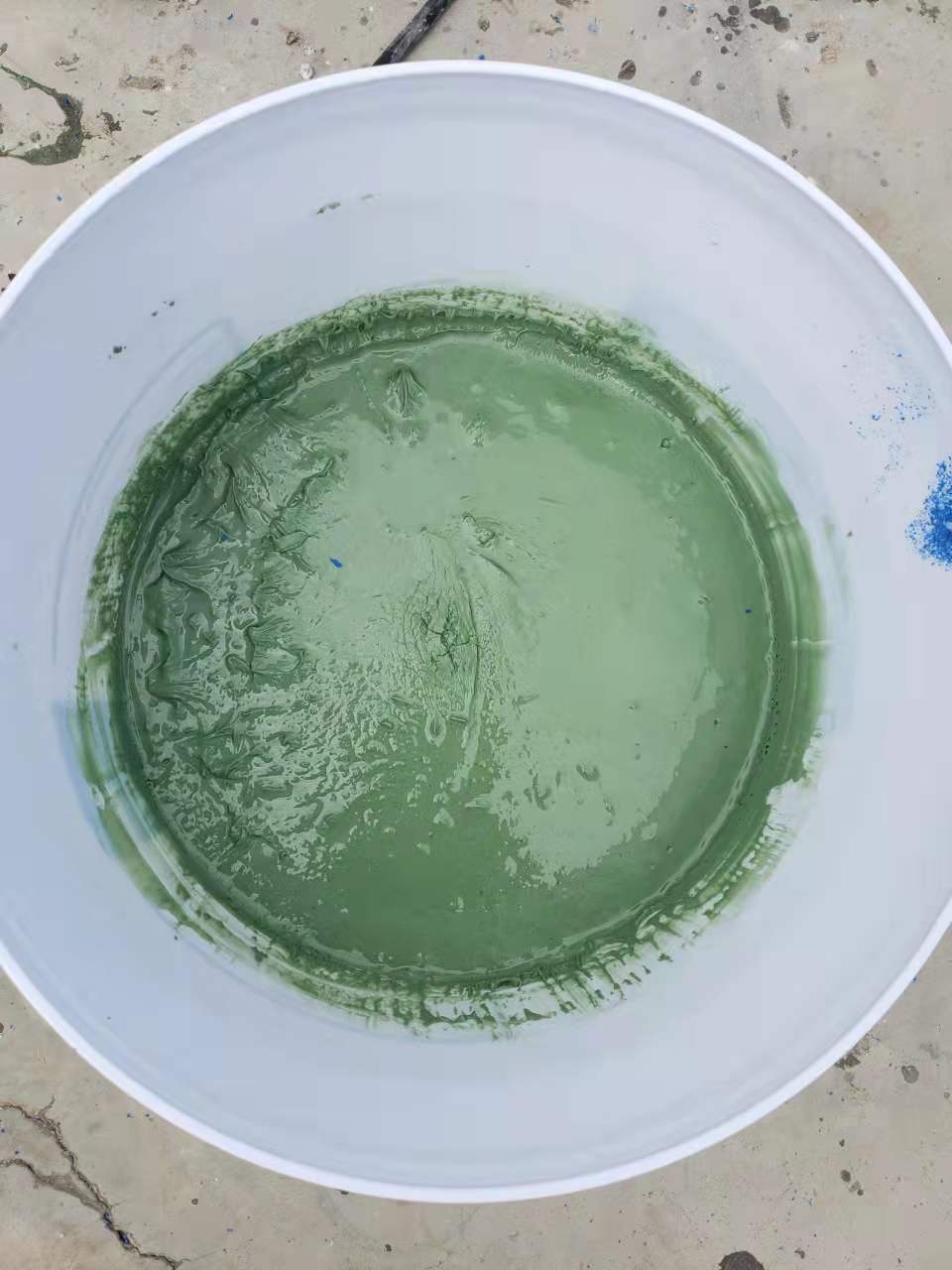
Polyurethane (PU) adhesive is the most popular and widely recommended glue for artificial turf installation.It is commonly used with joint tape to bond seams and secure turf edges to concrete, asphalt, or other solid surfaces.
Pros:
PU adhesive provides excellent bonding strength, high flexibility, and superior resistance to water, heat, and UV exposure.
Once cured, it remains elastic, reducing the risk of cracking or seam failure caused by temperature changes.
This makes it ideal for long-term outdoor installations.
Cons:
Polyurethane adhesive typically has a longer curing time and may produce a strong odor during application.
It is also more expensive than basic adhesive options and requires proper safety precautions.
2. Epoxy Adhesive for Heavy-Duty Applications
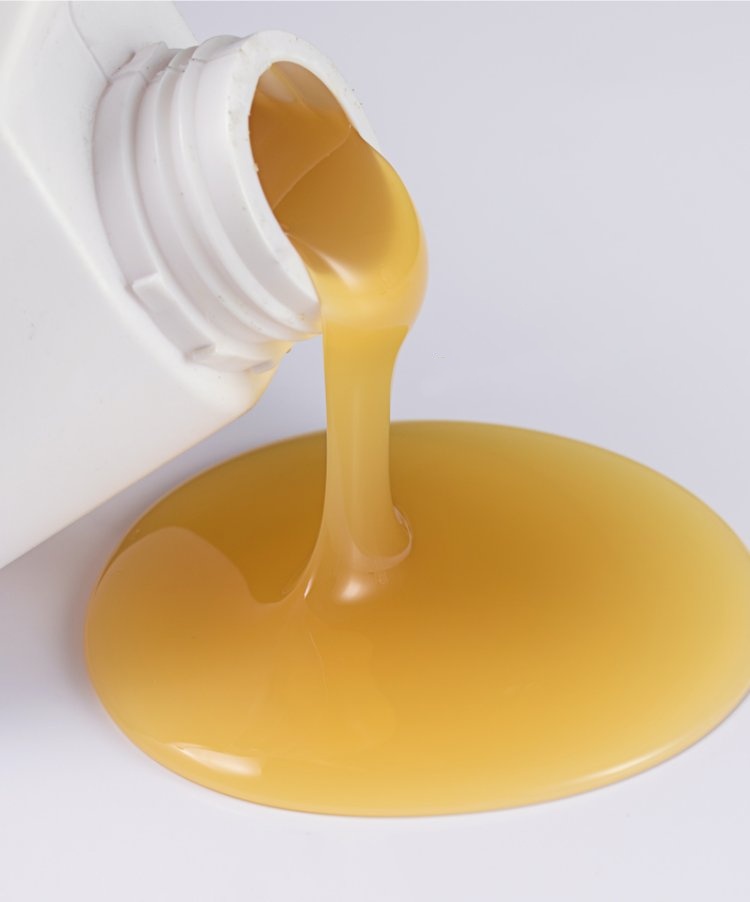
Epoxy adhesives are two-component systems designed for areas requiring extremely strong bonding
Pros:
Epoxy provides outstanding strength, chemical resistance, and durability, making it suitable for high-traffic or industrial installations.
Cons:
Epoxy adhesives are more expensive, less flexible after curing, and require precise mixing and professional installation
3. Acrylic Adhesive for Artificial Turf
Acrylic adhesives are usually water-based and commonly used for light-duty or indoor artificial grass applications.
Pros:
They are easy to apply, low in odor, environmentally friendly, and suitable for DIY projects.Cleanup is simple, making them convenient for small installations.
Cons:
Acrylic adhesives offer lower bonding strength and poor resistance to moisture and extreme temperatures,
limiting their use in outdoor environments.
4. Double-Sided Seam Tape for Artificial Grass
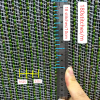
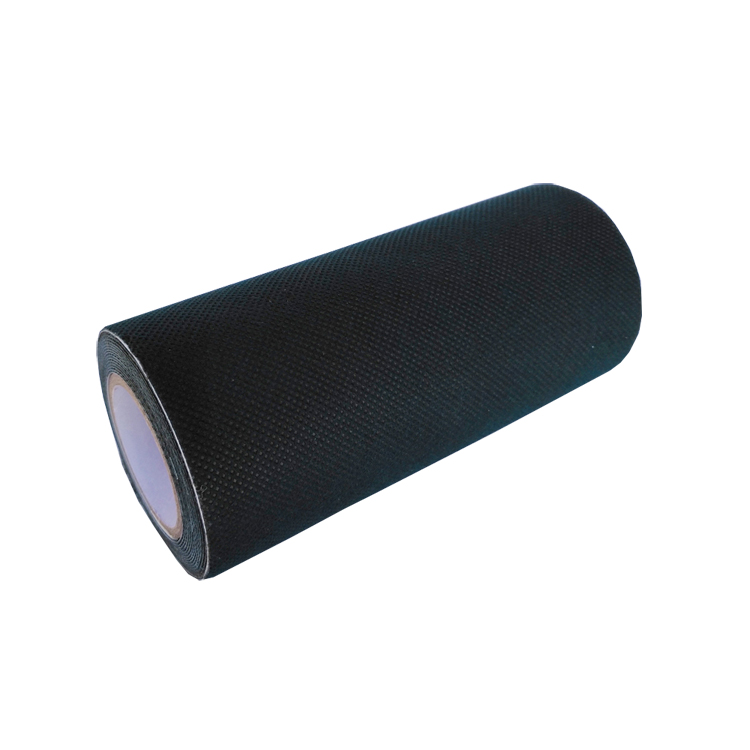
Seam tape is often used in combination with adhesive to join two pieces of artificial grass.
Pros:
It allows fast, clean installation and helps create smooth, invisible seams.
Cons:
When used alone, seam tape lacks long-term durability and is not recommended for permanent outdoor installations.
Conclusion
For most outdoor artificial grass installations, polyurethane adhesive combined with seam tape offers the best balance of strength, flexibility, and durability. Selecting the correct adhesive ensures a professional finish and extends the lifespan of artificial turf.